The global energy market operates on a foundation most people rarely think about—the massive ships crossing oceans to deliver crude oil from production hubs to refineries worldwide. Without reliable crude oil shipping services and sophisticated logistics networks, the modern world would grind to a halt. But what makes these operations so critical and how do companies ensure millions of barrels reach their destinations safely?
The Backbone of Global Energy Trade
Every day, enormous tankers navigate treacherous waters carrying the lifeblood of industrial civilization. These aren’t just random voyages—they’re meticulously planned operations involving complex coordination between producers and shipping specialists and port authorities. The International Energy Agency estimates that roughly 60% of all petroleum transported globally moves by sea. That’s an astounding volume when you consider that a single Very Large Crude Carrier (VLCC) can haul up to 2 million barrels in one trip.
Think about the precision required here. Weather patterns must be analyzed and international maritime regulations followed and delivery schedules synchronized with refinery operations. One delayed shipment can disrupt entire supply chains and affect fuel prices across continents.
Navigating the Complexities of Crude Oil Tanker Chartering
Here’s where things get interesting. Not every oil company owns its fleet of tankers—and frankly, that would be wildly inefficient. Instead, many rely on crude oil tanker chartering arrangements that offer flexibility without the massive capital investment of vessel ownership.
Chartering comes in several flavors. Time charter agreements let companies lease vessels for specific periods while voyage charters cover single trips between designated ports. Then there’s bareboat chartering where the charterer essentially assumes complete operational control. Which option makes sense? That depends on shipping volume and route consistency and market conditions.
The Nigerian Crude Oil Shipping Landscape
Nigeria stands as Africa’s largest oil producer and a major player in global petroleum markets. The country’s crude oil exports—particularly from the Niger Delta region—require specialized shipping solutions that account for unique operational challenges. Crude oil tanker chartering Nigeria involves navigating both literal waters and the regulatory environment specific to West African operations.
Port infrastructure in Lagos and Port Harcourt and the Bonny Terminal handles millions of barrels monthly. Shipping companies operating here must understand local compliance requirements and security considerations and the specific grades of Nigerian crude (like Bonny Light or Forcados) that require particular handling protocols. Did you know that Nigerian crude is particularly prized for its low sulfur content? This “sweet” crude makes it easier to refine into high-quality petroleum products.
Modern Logistics Solutions Transform Maritime Operations
The shipping industry isn’t stuck in the past—far from it. Today’s crude oil shipping services incorporate cutting-edge technology that would seem like science fiction just decades ago. Real-time vessel tracking systems provide precise location data while predictive maintenance algorithms prevent mechanical failures before they occur. Advanced weather routing software plots optimal paths that save fuel and reduce transit times.
Digital platforms now connect charterers with available vessels instantly. What once required weeks of negotiations and endless phone calls can happen in hours through streamlined digital marketplaces. Some companies even use blockchain technology to create transparent and immutable records of transactions and cargo movements.
Safety and Environmental Stewardship
Transporting crude oil carries inherent risks—something the industry takes extremely seriously. Modern tankers feature double-hull construction that provides an extra layer of protection against spills. Sophisticated monitoring systems detect even minor leaks and crew training programs exceed international safety standards by significant margins.
Environmental regulations continue evolving and responsible shipping companies stay ahead of compliance requirements. The International Maritime Organization’s 2020 sulfur cap pushed the industry toward cleaner fuel alternatives. Many operators now invest in scrubber technology or switch to low-sulfur fuel oils that reduce atmospheric pollution.
Choosing the Right Maritime Partner
For companies seeking reliable petroleum transport, the selection of a shipping partner makes all the difference. Experience matters tremendously in this field. A provider with established routes and proven safety records and strong relationships with port authorities brings invaluable advantages.
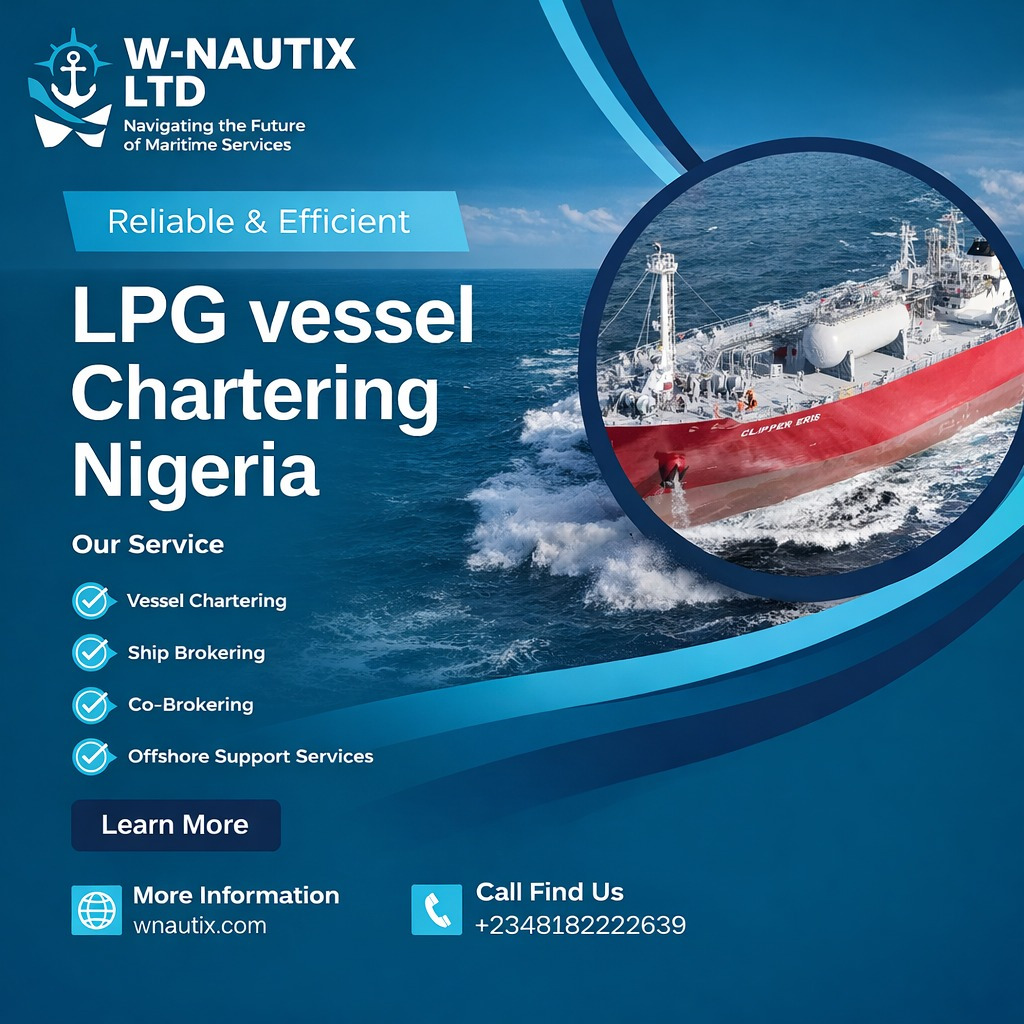
Businesses searching for comprehensive crude oil shipping services and specialized crude oil tanker chartering Nigeria solutions should explore platforms that connect them with vetted maritime logistics experts. One such resource worth investigating is W-Nautix Ltd, which offers connections to experienced shipping professionals who understand the intricacies of international crude oil transportation and regional requirements across major production zones. The movement of crude oil across oceans represents one of humanity’s most impressive logistical achievements—a testament to engineering prowess and international cooperation and relentless innovation in maritime operations.